Understanding Telehandlers: A Comprehensive Guide
In the world of construction and heavy lifting, machinery plays a vital role in ensuring efficiency and safety. One piece of equipment that has become increasingly popular is the telehandler. This versatile machine offers unique capabilities that extend far beyond simple lifting tasks. In this guide, we will explore the core aspects of telehandlers, their features, applications, industry significance, safety measures, and emerging technological innovations.
What is a Telehandler?
A telehandler, also known as a telescopic handler, is a hybrid piece of equipment that combines the functionality of a crane and a forklift. It features a boom that can extend outward and upward, allowing operators to lift heavy loads to varying heights and distances. The telehandler's main advantage lies in its versatility; it is often equipped with various attachments such as forks, buckets, and lifting hooks, making it suitable for different tasks on construction sites, farms, and warehouses.
Key Features of Telehandlers
- Extendable Boom: Telehandlers can extend their boom to provide greater reach, allowing for lifting tasks that are impossible for traditional forklifts.
- Versatile Attachments: With the ability to use different attachments, telehandlers can perform various functions from lifting and placing materials to digging and moving debris.
- All-Terrain Capability: Many telehandlers are designed to operate on rugged terrain, making them suitable for outdoor applications on construction sites.
- Load Capacity: Typically, telehandlers boast significant lifting capacities, ranging from 4,000 to over 12,000 pounds.
- Operator Comfort: Most models are designed with ergonomic controls and spacious cabins, enhancing operational efficiency.
Types of Telehandlers and Their Uses
Telehandlers come in various types, each designed for specific applications. Common categories include:
- Standard Telehandlers: Ideal for general construction tasks, these machines offer robust performance and are suited for lifting materials at a moderate height.
- Heavy-Duty Telehandlers: Equipped for challenging jobs, these models can handle heavier loads and are built to withstand rough conditions.
- Compact Telehandlers: Designed for tight spaces, compact models offer maneuverability and are perfect for urban construction sites.
- 4x4 Telehandlers: These units provide enhanced traction in rough terrains, making them well-suited for outdoor and agricultural applications.
The Role of Telehandlers in Construction
Advantages of Using Telehandlers on Job Sites
Telehandlers have become essential in modern construction due to several advantages. Their ability to access hard-to-reach areas significantly enhances productivity. Furthermore, the quick change of attachments allows for swift transitions between tasks, reducing downtime. Telehandlers also enhance safety by allowing operators to lift materials to height without needing scaffolding or ladders, thereby minimizing fall risks.
Comparing Telehandlers and Forklifts
While both telehandlers and forklifts are integral to material handling in construction, key differences set them apart. A standard forklift has limited vertical reach and can only lift loads vertically. In contrast, a telehandler can reach both upward and outward, offering greater flexibility. This versatility enables telehandlers to excel in scenarios where space is constrained or where materials need to be placed at height or distance.
Choosing the Right Telehandler for Your Project
When selecting a telehandler, it’s crucial to evaluate your specific project needs. Factors such as load capacity, lift height, available attachments, and terrain must be considered. Consulting with equipment rental services can help bolster your decision-making process, ensuring that you opt for a telehandler that aligns with your operational requirements.
Best Practices for Operating a Telehandler Safely
Pre-Operational Checks and Maintenance
Before using a telehandler, operators must conduct thorough pre-operational checks. This includes inspecting vital components such as the hydraulic system, tires, and load limits. Regular maintenance is also critical; following a consistent maintenance schedule ensures the telehandler operates optimally and safely throughout its service life.
Operator Training and Certification
Proper training is essential for telehandler operation. Operators should undergo comprehensive training that covers basic operation, attachment use, safety protocols, and emergency procedures. Certification ensures that operators are knowledgeable about both the machine's capabilities and safety measures, reducing the risk of accidents on job sites.
Safety Protocols to Follow
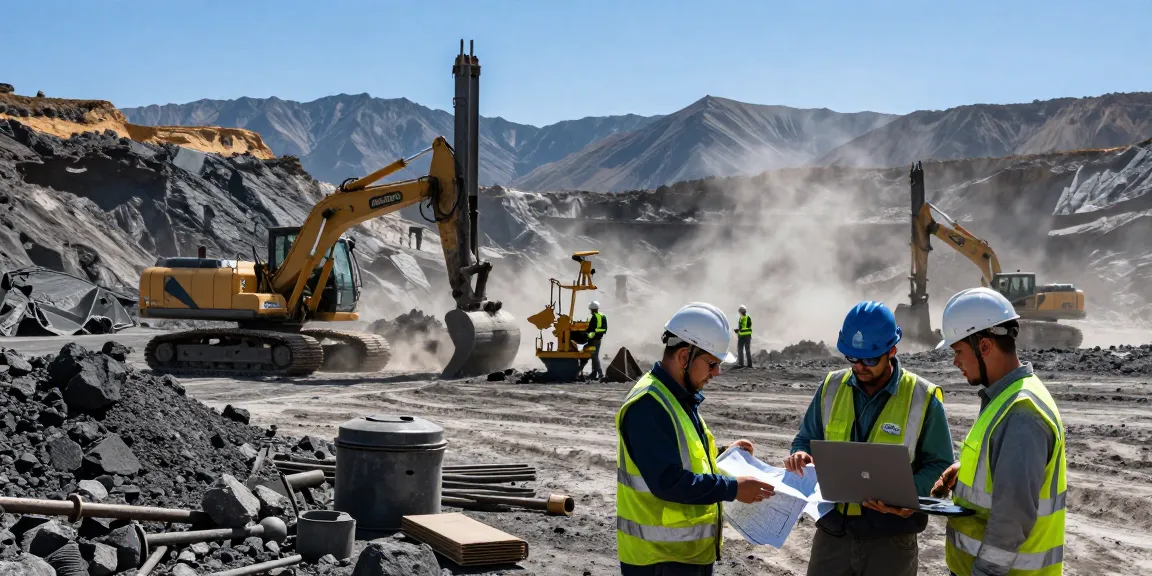
Adhering to established safety protocols is paramount when operating a telehandler. Operators should always wear appropriate personal protective equipment (PPE), including helmets and high-visibility clothing. Additionally, maintaining a clear work area and ensuring that load limits are respected are fundamental to ensuring safety around the telehandler.
Innovations in Telehandler Technology
Telehandlers with Advanced Features
Telehandlers have evolved with technological advancements. Modern models often feature enhanced controls, such as joystick operation, which simplifies precision handling. Others come equipped with smart technology for load monitoring, GPS tracking, and advanced stability systems that alert operators of potential hazards.
The Future of Telehandler Design
Looking ahead, telehandlers are set to integrate even more advanced technology, including automation and autonomous operation mechanisms. Improved energy efficiency and alternative fuel options will also play a crucial role in future designs, aligning telehandlers with sustainable construction practices.
Integrating Telehandlers with Other Equipment
Another trend is the integration of telehandlers with other equipment to create a more streamlined workflow. For example, combining telehandlers with cranes or excavators can enhance operational efficiency, allowing for seamless transitions between different construction activities.
FAQs about Telehandlers
What is the primary use of a telehandler?
The primary use of a telehandler is to lift and place materials in construction settings, utilizing its extendable boom for versatility in reaching heights and distances.
How do I maintain a telehandler?
Regular maintenance of a telehandler includes checking hydraulic fluids, inspecting tires, calibrating load limits, and adhering to a service schedule recommended by the manufacturer.
What safety features should I look for in a telehandler?
Key safety features include load stability indicators, operator presence systems, anti-rollover protections, and emergency shut-off systems to mitigate risks while operating.
How versatile is a telehandler in different construction tasks?
Telehandlers are highly versatile, capable of performing various tasks such as lifting, digging, and material placement, making them useful across many construction applications.
Can telehandlers be used in tight spaces?
Yes, compact telehandlers are specifically designed for operation in constrained spaces, offering excellent maneuverability while retaining strong lifting capabilities.