Understanding Containerized Wastewater Treatment Systems
Containerized wastewater treatment systems have emerged as a revolutionary solution to various water treatment challenges faced by industries and municipalities alike. With the increasing demand for sustainable practices and the need for flexible, efficient solutions, these systems are designed to provide immediate assistance in wastewater management. Containerized systems not only accommodate a wide range of wastewater types—from domestic sewage to complex industrial effluents—but also comply with stringent environmental regulations. These pre-engineered solutions offer rapid deployment capabilities, showcasing the versatility that modern wastewater management requires. When exploring options, Wastewater Treatment System Manufacturers can provide comprehensive insights into the latest technologies and practices.
What are Containerized Wastewater Treatment Systems?
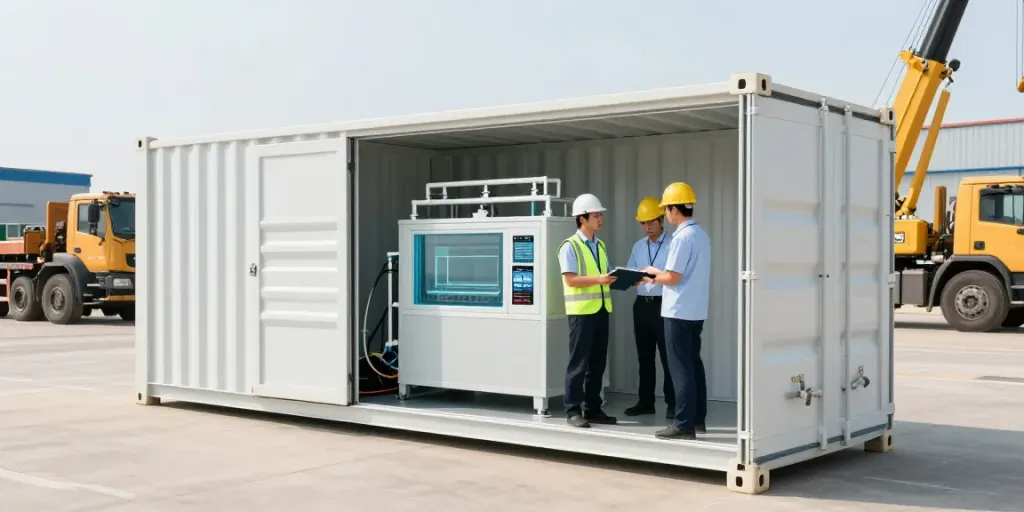
Containerized wastewater treatment systems are modular, pre-assembled units designed for the effective treatment of wastewater. Housed within standard shipping containers, these systems are equipped with the necessary components for processes such as filtration, sedimentation, and disinfection. The integration of various treatment stages within a confined footprint allows for streamlined operations and enhanced efficiency.
Key Components of Containerized Systems
A typical containerized wastewater treatment system consists of several critical components, including:
- Filtration Units: Essential for removing solids and particulate matter from wastewater.
- Biological Treatment Modules: Often comprising aerobic or anaerobic processes to break down organic matter.
- Disinfection Systems: Utilizing UV, chemical, or ozone methods to eliminate pathogens and ensure water quality.
- Control Systems: Automated systems that monitor and manage the operational parameters of the treatment process.
Advantages of Modular Wastewater Treatment Solutions
Containerized systems boast numerous advantages that set them apart from traditional wastewater treatment plants. These include:
- Space Efficiency: Compact design allows for installation in locations where space is limited.
- Rapid Deployment: Systems can be operational within days, significantly reducing wait times compared to conventional installations.
- Scalability: Easily expandable or customizable to meet the evolving needs of users.
Benefits of Choosing Containerized Solutions
Operational Flexibility and Rapid Deployment
The primary benefit of containerized wastewater treatment systems is their operational flexibility. Designed to be deployed quickly, these systems typically require only a flatbed truck and a crane for relocation. Most installations can be completed within one to two days, allowing industries to promptly address wastewater treatment needs as they arise. This rapid deployment capability is crucial for construction sites, remote areas, and during emergencies.
Cost-Effectiveness Compared to Traditional Systems
Containerized systems often prove to be more cost-effective than traditional treatment plants. The reduced labor costs and shorter timelines associated with installation contribute to lower overall expenses. Additionally, their pre-engineered nature minimizes the need for extensive site preparation and civil works, further enhancing cost savings for operators.
Environmental Compliance and Sustainability Goals
As environmental regulations become increasingly stringent, containerized wastewater treatment systems help companies achieve compliance with local and international standards. The efficient treatment processes and technology integrations ensure that the treated effluent meets regulatory requirements, promoting sustainability and minimizing environmental impact.
Top Wastewater Treatment System Manufacturers in 2026
Leading Companies in the Containerized Treatment Market
The containerized wastewater treatment market is expected to see significant growth in 2026, with numerous manufacturers leading the charge. Industry giants like Veolia, SUEZ, and Xylem are recognized for their innovative solutions and commitment to sustainability. These companies are continuously investing in research and development to enhance their offerings, focusing on efficiency, automation, and environmentally friendly practices.
Innovations from Market Leaders
Market leaders are implementing cutting-edge technologies in containerized systems, including:
- IoT Integration: Smart monitoring and control systems that enhance operational efficiency.
- Energy Recovery Systems: Technologies that maximize energy efficiency and minimize operational costs.
- Advanced Material Usage: Durable, lightweight materials that extend the lifespan and performance of treatment systems.
Case Studies: Successful Implementations
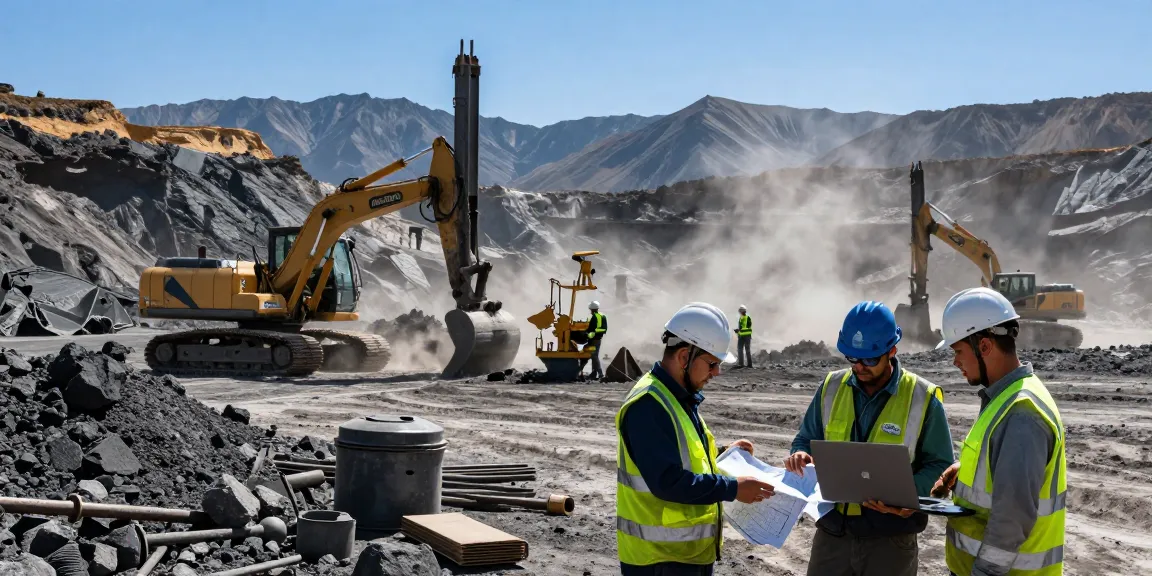
Several case studies showcase the effectiveness of containerized systems. For instance, a major construction project in California utilized a containerized treatment system to manage daily wastewater discharge. This approach not only met regulatory demands but also facilitated the project’s swift progress without delaying construction timelines.
Challenges and Considerations in Implementation
Common Misconceptions About Containerized Systems
Despite their numerous benefits, containerized systems often face misconceptions regarding their effectiveness. Some users may believe that these modular solutions cannot handle large volumes of wastewater. However, advancements in technology have enabled many systems to manage substantial capacities, making them suitable for both small and large-scale operations.
Regulatory Compliance Issues and Solutions
Compliance with environmental regulations can be a concern for companies considering containerized wastewater treatment systems. Understanding local laws and guidelines is essential. Engaging with reputable manufacturers ensures that the systems meet all applicable standards, while ongoing maintenance and operational assessments keep the systems compliant over time.
Best Practices for Installation and Maintenance
Successful installation and ongoing maintenance of containerized treatment systems involve several best practices:
- Site Assessment: Conduct thorough evaluations to identify optimal placement and potential challenges.
- Regular Maintenance: Implement a schedule for routine checks, cleaning, and repairs to ensure efficient operation.
- Training Personnel: Equip staff with adequate training on system operation and maintenance protocols.
Future Trends in Wastewater Treatment Manufacturing
Emerging Technologies and Innovations for 2026
The future of wastewater treatment manufacturing is promising, with technological advancements poised to enhance efficiency. Innovations such as membrane bioreactors and advanced oxidation processes are at the forefront, providing cleaner effluents and reducing energy consumption.
Predictions for the Containerized Treatment Market
By 2026, the containerized treatment market is expected to witness significant expansion as more industries recognize the advantages of these systems. Factors such as urbanization, water scarcity, and increasing regulatory pressures will drive demand, emphasizing the need for scalable, efficient solutions.
How to Prepare Your Business for Future Developments
To stay ahead in the evolving landscape of wastewater management, businesses should focus on the following strategies:
- Invest in Research: Allocate resources to explore emerging technologies and their potential applications.
- Foster Partnerships: Collaborate with leading manufacturers and technology providers to enhance operational capabilities.
- Engage in Continuous Learning: Stay informed about industry trends and regulatory changes to adapt practices accordingly.
What are the top 10 largest wastewater treatment plants in the USA?
Identifying the largest wastewater treatment plants provides insight into scalability and operational standards in the industry. Facilities such as the Stickney Water Reclamation Plant in Illinois and the Hyperion Treatment Plant in California are noteworthy examples, processing millions of gallons of wastewater daily.
Who are the largest water treatment companies?
Leading water treatment companies like Veolia, SUEZ, and Xylem dominate the industry, known for their innovative solutions and comprehensive service offerings. Their commitment to sustainable practices positions them as frontrunners in the market.
What are some popular brands of wastewater pumps?
Some of the prominent brands in wastewater pumping include Grundfos, JWC Environmental, and Flygt. These brands are recognized for their reliability and efficiency in managing wastewater effectively.
What is the best sewage treatment system?
The best sewage treatment system often depends on specific needs, but systems employing advanced biological treatment methods are generally preferred for their efficiency and compliance with environmental standards. Containerized solutions increasingly represent a preferred choice due to their adaptability and effectiveness.
What are the benefits of containerized wastewater systems?
Containerized wastewater systems offer numerous benefits, including rapid deployment, cost-effectiveness, and compliance with environmental regulations. Their modular nature allows for easy adaptation to changing treatment needs, making them an ideal solution for a broad array of industries.