Understanding Roof Cleaning
What is Roof Cleaning?
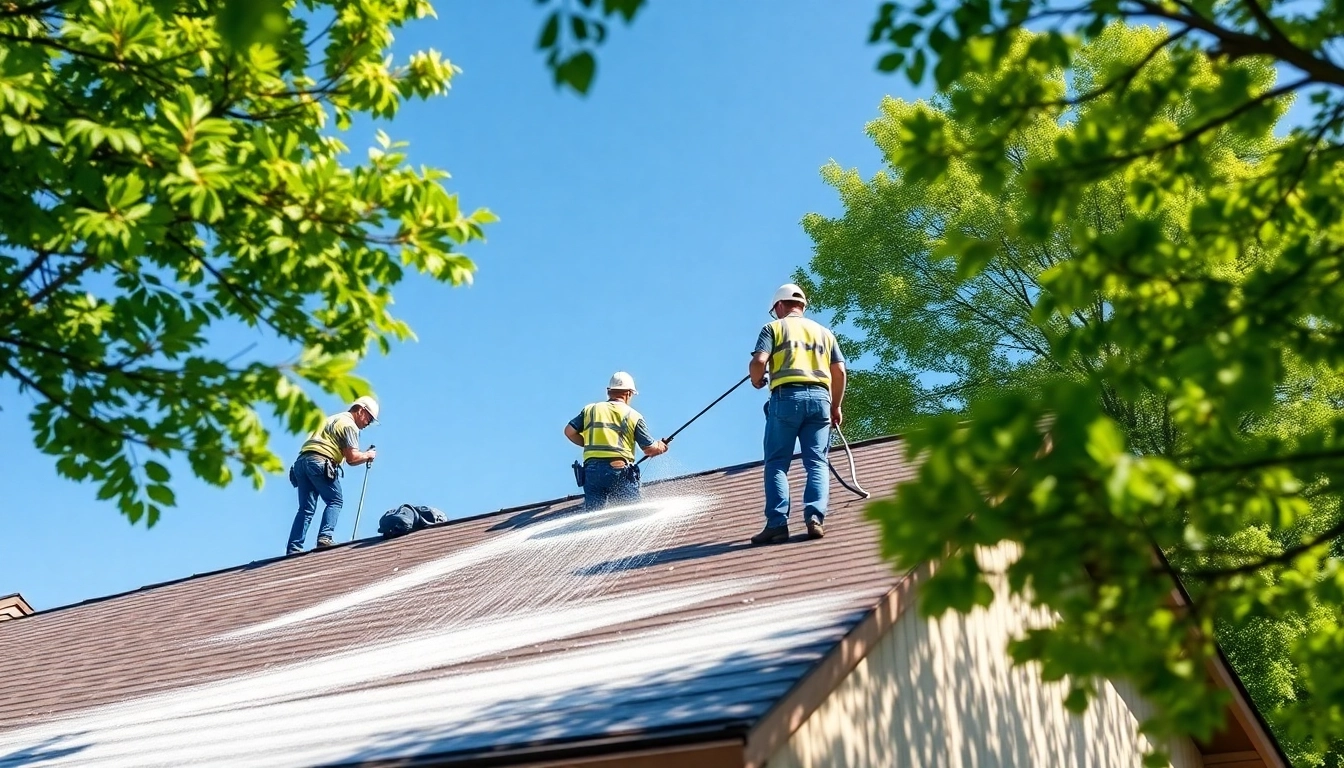
Roof cleaning is the process of removing algae, moss, lichen, and other debris from the surface of roofing materials. This cleaning process aims not only to restore the roof's appearance but also to enhance its integrity and lifespan. Regular maintenance of your roof is essential to prevent the buildup of harmful contaminants that can lead to expensive repairs down the line. Among the various cleaning methods, Roof Cleaning can be effectively performed using specialized equipment and eco-friendly solutions.
Benefits of Regular Roof Cleaning
The advantages of engaging in regular roof cleaning extend far beyond mere aesthetics. Here are some key benefits:
- Prolonged Roof Life: Regular cleaning can extend the lifespan of roofing materials by preventing the wear and tear caused by contaminants.
- Energy Efficiency: A clean roof reflects sunlight better, helping with temperature control inside the home and potentially lowering energy bills.
- Prevent Structural Damage: Algae and moss can retain moisture, leading to rot and mold growth, which deteriorates roofing materials and structural components.
- Enhanced Curb Appeal: A clean roof significantly improves the overall look of your home, which is beneficial if you plan to sell.
- Health Benefits: Cleaning removes allergens and pollutants that can affect the health of inhabitants, particularly those with allergies or respiratory issues.
Signs Your Roof Needs Cleaning
Identifying the need for roof cleaning can be straightforward if you know what to look for. Common signs include:
- Black Streaks: Often indicative of Gloeocapsa magma, this algae grows in humid conditions and can damage roofing materials.
- Moss and Lichen Growth: Moss can lift shingles, preventing proper sealing and leading to leaks.
- Debris Accumulation: Leaves, twigs, and other debris can trap moisture and lead to deterioration.
- Unpleasant Odors: If you notice musty smells around your home, it could indicate mold growth on your roof.
Roof Cleaning Techniques
Soft Washing vs. Pressure Washing
Understanding the difference between soft washing and pressure washing is crucial for effective roof cleaning.
Soft Washing: This technique uses low-pressure water combined with eco-friendly cleaning agents to safely remove dirt, algae, and moss without damaging the roofing material. It is particularly effective for delicate surfaces such as asphalt shingles.
Pressure Washing: This method involves high-pressure water spray to remove stubborn stains and debris. While it can be effective, it also carries a risk of damaging tiles or shingles if not done correctly.
Eco-Friendly Cleaning Solutions
In recent years, there has been a growing emphasis on using eco-friendly cleaning solutions in roof cleaning. These products not only safeguard the environment but also ensure safety for plants and animals in the vicinity. Common eco-friendly cleaning agents include:
- Chlorine-Free Cleaners: These solutions help to eliminate algae and mold without harming the ecosystem.
- Biodgradable Detergents: These cleaners easily break down and do not contribute to water pollution.
- Natural Ingredients: Products using natural components like vinegar or baking soda can effectively address lighter stains.
DIY Roof Cleaning Tips
If you're considering a DIY approach to roof cleaning, here are some tips to guide you:
- Safety First: Always use proper safety gear, including shoes with good traction and a safety harness if working at height.
- Choose the Right Day: Cleaning on a cloudy day can prevent the cleaners from drying too quickly, allowing for thorough cleaning.
- Test a Small Area: Before applying any cleaning solution, test it on a small area to ensure it does not damage the roofing material.
- Be Cautious with Ladders: Ensure that your ladder is stable and that you have someone to assist you if working at heights.
- Consider Professional Help: If your roof is particularly steep or tall, consider hiring a professional service to avoid potential accidents.
The Roof Cleaning Process
Preparation Steps Before Cleaning
Proper preparation is essential for an effective roof cleaning process. Follow these steps:
- Inspect the Roof: Before cleaning, check for loose or damaged shingles that may warrant repair before proceeding.
- Remove Debris: Clear gutters, downspouts, and ridges of any leaves or branches that may impede the cleaning process.
- Gather Equipment: Ensure you have all cleaning supplies, safety gear, and any professional-grade equipment if necessary.
Steps Involved in Roof Cleaning
The following steps outline the roof cleaning process:
- Initial Rinse: Start with a gentle rinse of the roof to remove loose debris.
- Apply Cleaning Solution: Using a pump sprayer, apply your selected cleaning solution uniformly across the roof.
- Let it Soak: Allow the solution to remain for the recommended time to penetrate and break down stains.
- Rinse Thoroughly: Use low-pressure water to rinse off the cleaning solution, ensuring all residues are washed away.
- Final Inspection: Inspect your work to ensure all areas are clean and no debris remains.
Post-Cleaning Maintenance Recommendations
After cleaning your roof, proper maintenance can prolong its life:
- Regular Inspections: Conduct inspections every six months to catch any developing issues early.
- Trim Tree Branches: Keeping branches away from the roof helps reduce debris accumulation.
- Address Stains Promptly: Remove any new stains as soon as they appear to prevent larger infestations.
- Consider a Protective Coating: Some homeowners opt for protective sealants that can help prevent future growth of mold and mildew.
Choosing a Roof Cleaning Service
How to Select the Right Roof Cleaning Company
When evaluating potential roof cleaning services, keep the following factors in mind:
- Experience: Look for companies with a proven track record in roof cleaning, complete with positive customer reviews.
- Certifications: Ensure the company is properly certified and insured to protect you from liability.
- Use of Eco-Friendly Products: Ask if they use environmentally safe cleaning solutions.
Questions to Ask Your Potential Service Provider
Here are some important questions to pose when interviewing cleaning companies:
- What cleaning methods do you use?
- Can you provide references from past customers?
- What is your coverage for damages that may occur during cleaning?
- Do you offer an estimate before starting the work?
Understanding Pricing and Estimates
Roof cleaning costs can vary widely based on several factors:
- Roof Size: Larger roofs generally require more time and resources to clean.
- Type of Roof Material: Some materials are more challenging to clean and may require specialized techniques.
- Extent of Contamination: Heavily stained roofs may need additional treatment, impacting cost.
Always obtain a written estimate detailing all costs involved, including any potential additional fees.
FAQs about Roof Cleaning
How often should I clean my roof?
It's generally recommended to clean your roof every 1 to 3 years, depending on your environment and the type of roofing material.
What is the cost of roof cleaning?
Roof cleaning costs can vary, but expect to pay between $300 and $600 for an average-sized home, depending on various factors.
Does roof cleaning void my warranty?
Cleaning your roof should not void your warranty if done by a professional using recommended methods. Always check with your manufacturer.
Can I clean my roof myself?
You can, but caution is advised. If unsure, consider hiring professionals, especially for steep roofs.
Are there risks associated with roof cleaning?
Yes, risks include potential falls, chemical exposure, and damaging the roofing material if not done properly. Ensure safety precautions are observed.