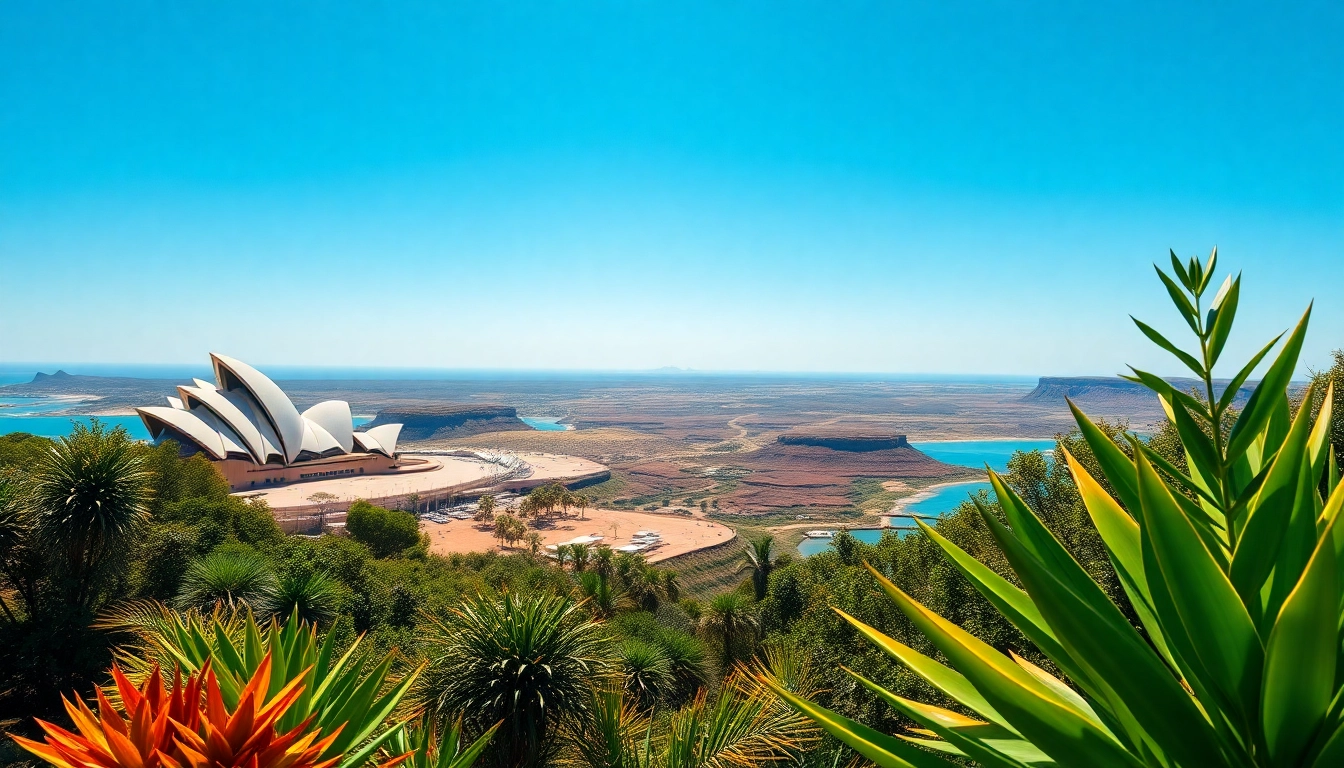
The Geography of Australia
Australia, a vast landmass steeped in natural beauty and diversity, captivates the imagination with its striking landscapes. This unique country is often referred to as the world’s flattest and driest inhabited continent, showcasing a wide array of ecosystems ranging from arid deserts to lush rainforests. To truly appreciate the multifaceted nature of Australia, one must delve into its geographical sub-regions, climate patterns, and national parks.
Diverse Landscapes
The diverse landscapes of Australia are a testament to its geological history. From the rugged outbacks of the Northern Territory, where the iconic Uluru stands sentinel, to the Great Barrier Reef off the coast of Queensland, the country offers a wealth of natural wonders. The eastern states are home to the Great Dividing Range, a mountain range that separates coastal plains from the inland. This ridge provides various microclimates, resulting in a rich variety of flora and fauna. The coastal areas, especially those with temperate climates, are densely populated and feature vibrant cities like Sydney and Melbourne, each known for their distinct character and lifestyle.
Climate Variations
Australia’s climate is as varied as its landscapes. The northern territories experience a tropical climate, characterized by wet and dry seasons, whereas the southern regions tend to have a more temperate climate with four distinct seasons. The central part of the country, known as the Outback, is arid and experiences extreme temperatures. Understanding these climate variations is essential for both residents and travelers as they affect daily life, agriculture, and tourism patterns across the country.
National Parks and Wilderness
Australia is home to an extensive network of national parks that showcase its natural beauty and biodiversity. Parks like Kakadu and Tasmania's Franklin-Gordon Wild Rivers National Park are not only vital for conservation efforts but also serve as popular tourist destinations. These parks offer numerous recreational activities, such as hiking, birdwatching, and camping, allowing visitors to interact with the unique flora and fauna. Conservation initiatives within these areas help preserve the delicate ecosystems and maintain habitats for endangered species.
The Cultural Heritage of Australia
Australia’s cultural landscape is just as rich and varied as its geography. The country proudly hosts a blend of Indigenous traditions, colonial history, and modern multicultural influences. This melting pot of cultures contributes to a vibrant society, teeming with festivals, art, and diverse culinary experiences.
Indigenous Cultures and Traditions
Australia's Indigenous people, including Aboriginal and Torres Strait Islander communities, have inhabited the land for over 65,000 years. Their cultures are steeped in spiritual beliefs, art, and connection to the land. Traditional storytelling, music, and dance play an integral role in preserving their history. Contemporary Indigenous artists continue to thrive, bringing new interpretations to age-old narratives while raising awareness of traditional practices and land rights.
Multicultural Society
Australia's multiculturalism is shaped by waves of migration from around the world. This diverse influx has contributed significantly to the social fabric and cultural expression of the nation. Languages, food, and traditions from various cultures are woven into the daily life of Australians, creating a dynamic environment where various identities coexist. Public events often celebrate this diversity, showcasing an array of cultural performances and cuisines.
Festivals and Celebrations
Throughout the year, Australia hosts a multitude of festivals that highlight its vibrant culture. Events like the Sydney Festival, Melbourne International Comedy Festival, and the Woodford Folk Festival draw large crowds, celebrating everything from music to arts and crafts. These festivals not only provide entertainment but also foster community connections and cultural exchange, enriching the local experience.
Australia's Economic Overview
The economy of Australia is robust and diverse, characterized by significant sectors such as mining, agriculture, and services. With one of the highest GDPs per capita in the world, understanding the economic landscape of Australia reveals insights into its competitive advantages and challenges.
Key Industries and Exports
Mining remains a cornerstone of Australia’s economy, with the country being a leading exporter of minerals including iron ore and coal. Agriculture also plays a critical role, with agricultural products such as wheat, cattle, and wine being significant exports. The service sector, particularly tourism and education, has boomed in recent years, greatly contributing to the economic landscape and global competitiveness of Australia.
Cost of Living in Australia
The cost of living in Australia can be relatively high, especially in major cities like Sydney and Melbourne, where housing prices and essential services incur higher expenses. Understanding the cost breakdown—housing, transportation, and grocery prices—can provide better insights for new residents and visitors on budgeting and financial planning.
Understanding Salaries in Australia
When considering employment in Australia, it’s crucial to understand the salary structure. The average salary can vary drastically based on location, industry, and experience level. While a salary of over $70,000 is generally considered comfortable for singles, families often require higher incomes to manage housing and education costs effectively.
Travel Tips for Australia
Traveling to Australia promises a plethora of experiences. However, understanding the best time to visit, must-see destinations, and local culinary delights can significantly enhance the travel experience.
Best Times to Visit
The optimal time to visit Australia can vary based on the specific region. Typically, spring (September to November) and autumn (March to May) provide temperate weather and fewer crowds, ideal for travelers seeking to explore both cities and nature.
Must-See Destinations
Australia boasts iconic destinations including the Sydney Opera House, the Outback, and the Great Barrier Reef. Each location offers unique experiences, from oceanic adventures to cultural explorations, ensuring every traveler finds something of interest. Other highlights include Melbourne’s laneways, Perth's beaches, and Tasmania’s natural parks.
Local Cuisine and Experiences
Australian cuisine reflects its diversity, with influences from Indigenous, European, and Asian food cultures. Signature dishes like Vegemite, meat pies, and pavlova coexist with diverse offerings from international cuisines. Exploring local markets and food festivals can reveal more about Australia’s culinary excitement, providing a genuine taste of its cultural heritage.
Environmental Sustainability in Australia
As one of the world’s most biodiverse countries, Australia faces challenges related to environmental protection and sustainability. Recognizing the necessity for eco-friendly practices is crucial for conserving its unique landscapes and wildlife.
Protecting Wildlife and Ecosystems
Conservation efforts in Australia focus on protecting endangered species and preserving natural habitats. Strategies include legislative frameworks, habitat restoration projects, and community engagement initiatives. These efforts are vital for maintaining the delicate balance of Australia’s ecosystems, such as the Great Barrier Reef and its diverse range of flora and fauna.
Eco-Friendly Travel Practices
Travelers are increasingly seeking eco-friendly options during their visits. Sustainable travel practices, such as utilizing public transport, supporting local businesses, and participating in conservation programs, help minimize environmental impacts and promote responsible tourism.
Community Initiatives for Sustainability
Community-driven sustainability initiatives play a pivotal role across urban and rural areas of Australia. Local groups often work towards reducing waste, promoting renewable energy, and advocating for climate action. These initiatives demonstrate how communities can work collectively to sustain their environments while fostering a sense of responsibility among residents and visitors.
Frequently Asked Questions
What are the top tourist destinations in Australia?Australia boasts top destinations like Sydney, Melbourne, the Great Barrier Reef, and Uluru, each offering unique experiences and stunning views.What is the best time to visit Australia?The best time to visit Australia depends on the region but generally, spring (September to November) and autumn (March to May) provide favorable weather.Is it expensive to live in Australia?Living expenses in Australia can be high, especially in major cities. Housing, transportation, and food costs should be considered when budgeting.What languages are spoken in Australia?While English is the official language, Australia is a multicultural nation with many residents speaking languages including Mandarin, Italian, Greek, and Arabic.What currency is used in Australia?The Australian Dollar (AUD) is the official currency, and it is denoted by the symbol '$' or 'A$' to distinguish it from other dollar-denominated currencies.