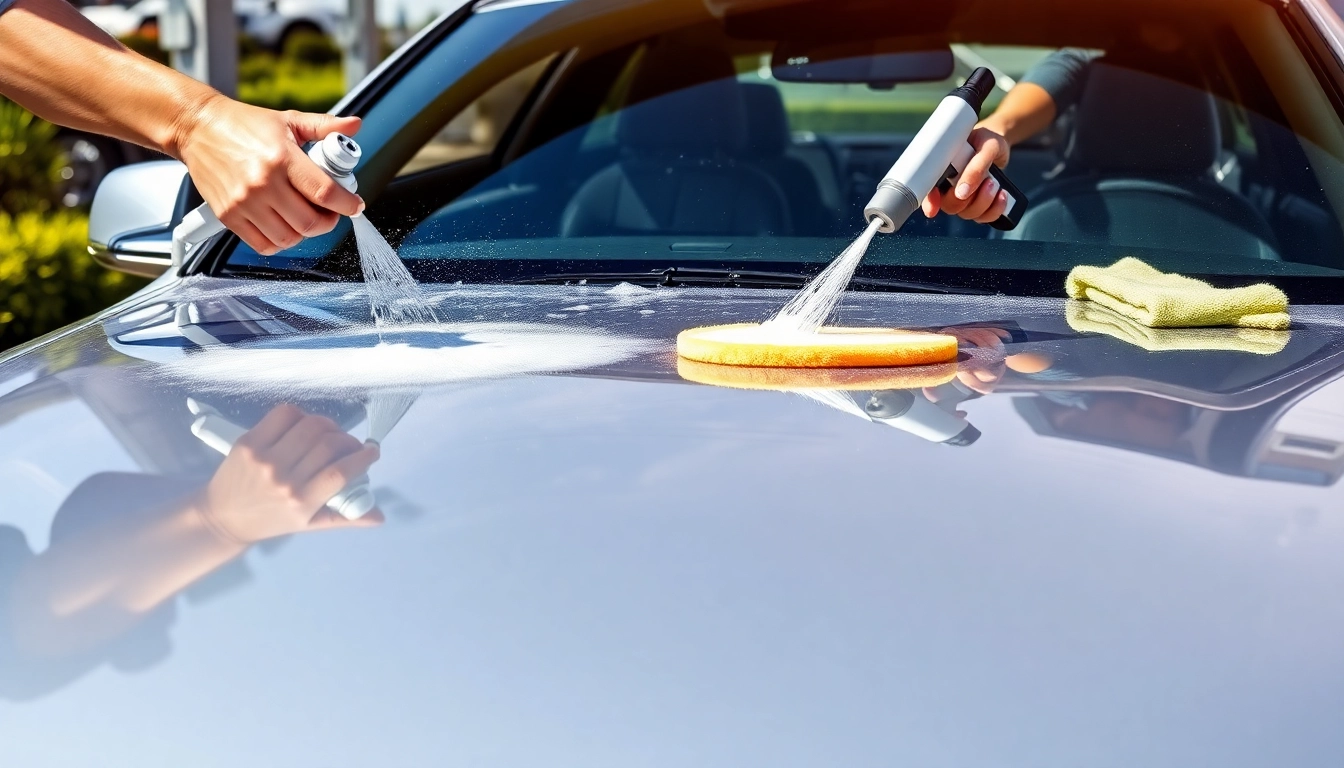
Understanding Car Detailing: An Overview
What is Car Detailing?
Car detailing is an extensive cleaning process that aims to restore the vehicle to its pristine condition. It involves more than a regular wash; detailing is about meticulous, thorough cleaning, polishing, and protecting both the exterior and interior of the car. Typically, this process enhances the car's appearance and can significantly prolong its lifespan, ensuring it retains its value over time.
Importance of Regular Car Detailing
Regular car detailing plays a crucial role in vehicle maintenance. It not only gives a vehicle a clean look but also helps in protecting the paint from environmental contaminants such as dirt, bird droppings, and UV rays that can lead to fading over time. Regular detailing can prevent rust formation, enhance safety through better visibility (thanks to clean windows), and improve resale value by keeping the car in excellent condition. Engaging in a car detailing routine step by step helps ensure your investment remains secure.
Common Tools and Products Used
Car detailing requires various tools and products that cater to specific needs. Some of the essential tools include:
- Microfiber towels: Great for drying and polishing without scratching.
- Detailing brushes: Perfect for cleaning intricate areas like vents and seams.
- Vacuum cleaner: For deep cleaning the interior.
- Pressure washer: Useful for a thorough exterior wash.
- Clay bars: Help remove contaminants from the paint surface.
- Polishers and buffers: For applying polish or wax uniformly.
Car Detailing Routine Step by Step Explained
Step 1: Thorough Exterior Wash
The first step in any detailing routine is to wash the exterior thoroughly. This involves rinsing the vehicle to remove loose dirt followed by applying a suitable car shampoo. Using the two-bucket method — one for the wash solution and one for rinsing the wash mitt — can prevent dirt from being reapplied to the car's surface.
To enhance the process, a foaming agent may be utilized, allowing the soap to dwell longer on the surface to break down dirt effectively. Rinse it off with clean water, ensuring no soap residue remains.
Step 2: Drying Technique
After washing, it’s crucial to dry the vehicle properly to avoid water spots. Use high-quality microfiber towels or a drying aid to absorb water without scratching the paint. Start at the top and work your way down, using gentle pressure and avoiding any circular motions to reduce the risk of swirl marks.
Step 3: Cleaning Wheels and Tires
The wheels and tires often accumulate brake dust and road grime, making them a focal point for detailing. Utilize a dedicated wheel cleaner and a stiff brush to scrub the tires and wheels effectively. Don't forget to rinse thoroughly, ensuring all cleaning agents are washed away. For an added shine, apply a tire dressing product afterwards.
Interior Car Detailing Routine Step by Step
Step 4: Vacuum and Dust
Once the exterior is clean, focus shifts to the interior. Start by vacuuming all surfaces, including seats, carpets, and the trunk. Use different attachments to access tight areas and ensure comprehensive coverage. After vacuuming, dust surfaces, utilizing a microfiber cloth to capture dust particles effectively.
Step 5: Upholstery Cleaning
For vehicles with fabric upholstery, a fabric cleaner can help lift stains and odors. Use an upholstery brush to work the cleaner into the fabric and blot with a clean microfiber towel. If the vehicle has leather upholstery, use a leather cleaner and conditioner to prevent drying and cracking.
Step 6: Dashboard and Surface Detailing
Detail the dashboard and all hard surfaces using a quality interior cleaner. Pay particular attention to areas that attract grime, such as the steering wheel, door handles, and center console. Ensure that the products you use do not leave a glossy residue that can create glare while driving.
Protecting Your Vehicle After Detailing
Step 7: Waxing the Exterior
Applying wax is vital for paint protection. Wax not only enhances the car’s shine but also provides a protective barrier against harmful agents. Use a foam applicator to apply the wax, allowing it to haze over before buffing it to a high shine with a clean microfiber cloth. This step can be repeated a few times a year for optimal results.
Step 8: Sealants for Longevity
For those wanting increased durability, a paint sealant may be used in place of wax. Sealants offer longer-lasting protection (up to six months) and create a hydrophobic layer to repel water and dirt. Apply the sealant according to the manufacturer’s instructions, ensuring it cures properly for maximum effectiveness.
Step 9: Regular Maintenance Tips
Maintaining your vehicle's appearance post-detailing is just as important as the detailing process itself. Regular washing (at least bi-weekly), interior vacuuming, and periodic waxing will keep your car looking its best. Moreover, consider a quick interior wipe-down once a week to prevent buildup and retain that freshly detailed look.
FAQs About Car Detailing Routine Step by Step
What is the best way to clean my car's interior?
The best approach is to vacuum thoroughly, followed by dusting surfaces with a microfiber cloth. For stains, specific cleaners should be applied as needed, taking care not to damage fabrics or surfaces.
How often should I detail my car?
For most vehicles, a professional detail is recommended every 6 to 12 months, while routine washes and interior cleans can be done more frequently, especially if the car is exposed to harsh environments.
Do I need special products for detailing?
While some standard cleaning products may suffice, investing in specialized detailing products can provide better results and enhance the longevity of both the interior and exterior of the vehicle.
Can I detail my car at home?
Yes, car detailing can be performed at home with the right tools and products. Many enthusiasts successfully manage detailing as a DIY project with satisfactory results by following proper techniques.
What steps should I take to maintain my car’s shine?
To maintain your car's shine, regularly wash it, apply wax every few months, and use detailing spray for quick touch-ups. Additionally, park it in shaded or covered areas to protect the paint from UV damage.